
At 26 weeks pregnant, you are still in the second trimester. This week follows 25 weeks pregnant, and the next page is 27 weeks pregnant.
Your baby is growing more body fat, so the skin gradually looks less transparent and less wrinkled. Eyebrows, eyelashes, fingernails and toenails continue to grow, and the body becomes rounder as fat builds under the skin.
The baby can react to light and sound, and is practising breathing movements by moving amniotic fluid in and out. These movements help prepare the lungs, although the baby is not breathing air yet.
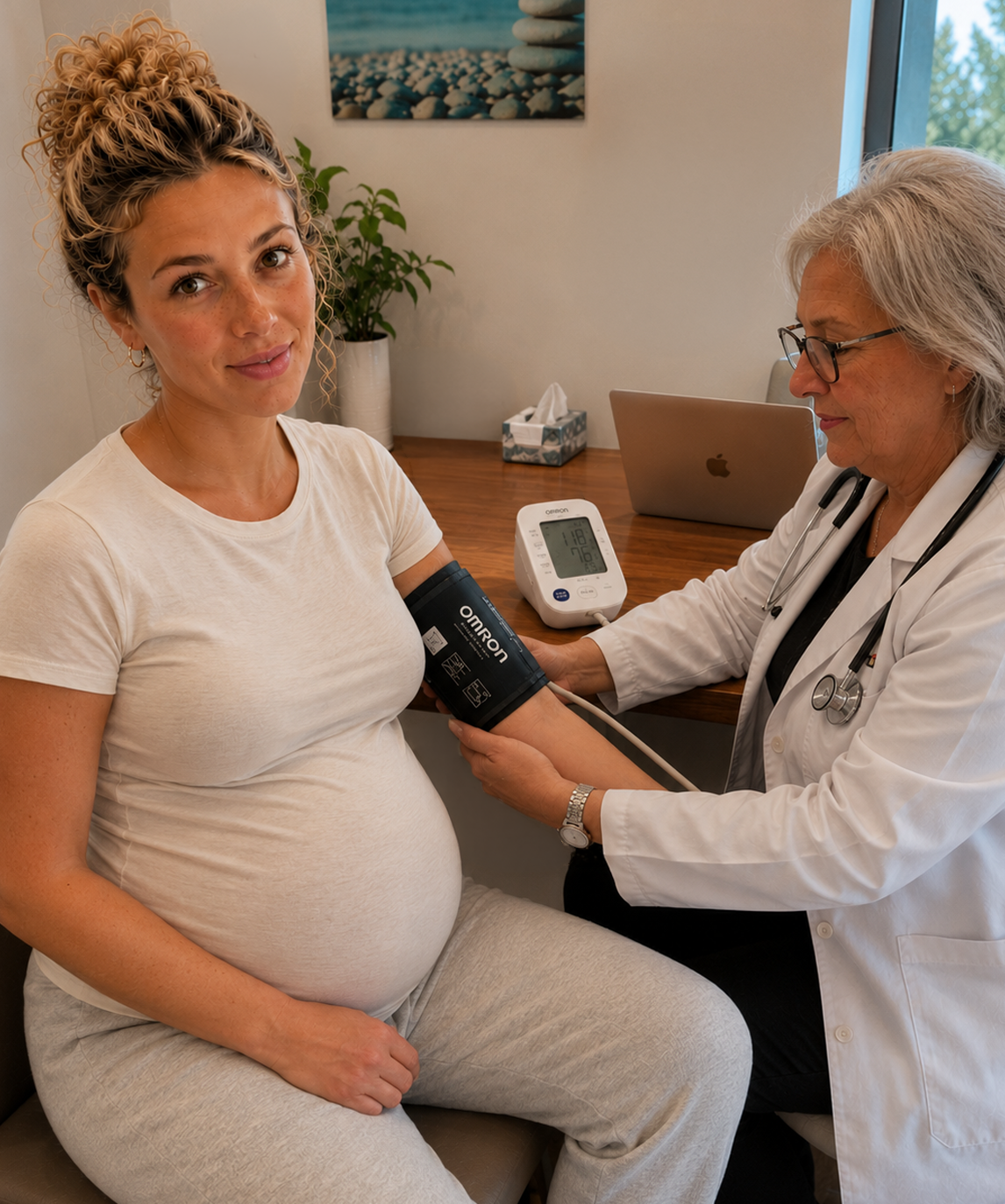
Your blood pressure may start rising toward your usual pre-pregnancy level after being lower earlier in pregnancy. Your provider will keep checking it because high blood pressure needs careful monitoring.
Sleep can become harder as your bump grows. You may also feel more anxious about birth, parenting or practical plans. Side sleeping with a pillow between your knees, short rests, fresh air and gentle movement can help some people feel more comfortable.
Constipation is also common because progesterone slows digestion and the growing uterus adds pressure. Drink fluids, choose fibre-rich foods and ask your clinician before using laxatives or supplements.
Amniotic fluid is the fluid around the baby in the womb. It cushions the baby and supports movement and development.
Practice breathing means rhythmic breathing-like movements before birth. The baby moves fluid, not air, while the lungs continue maturing.
Blood pressure is the force of blood against artery walls. It is checked often in pregnancy to screen for complications such as pre-eclampsia.
At 26 weeks pregnant, your baby is growing more body fat, responding to light and sound, and practising breathing movements by moving amniotic fluid in and out.
26 weeks pregnant is in the second trimester. It is often described as about 6 months pregnant, although pregnancy months do not match calendar months exactly.
Yes, the baby's eyes can respond to light, and you may notice movement if a bright light is near your belly. Development varies, so responses are not always obvious.
Poor sleep is common as your bump grows and worries about birth or parenting increase. Side sleeping with pillow support, daytime rest and gentle activity may help.
Progesterone slows digestion, and the growing uterus can add pressure. Fluids, fibre and movement can help; ask your clinician before using laxatives or supplements.
Discover the most popular baby boy and girl names with meanings and origins.
View names →